
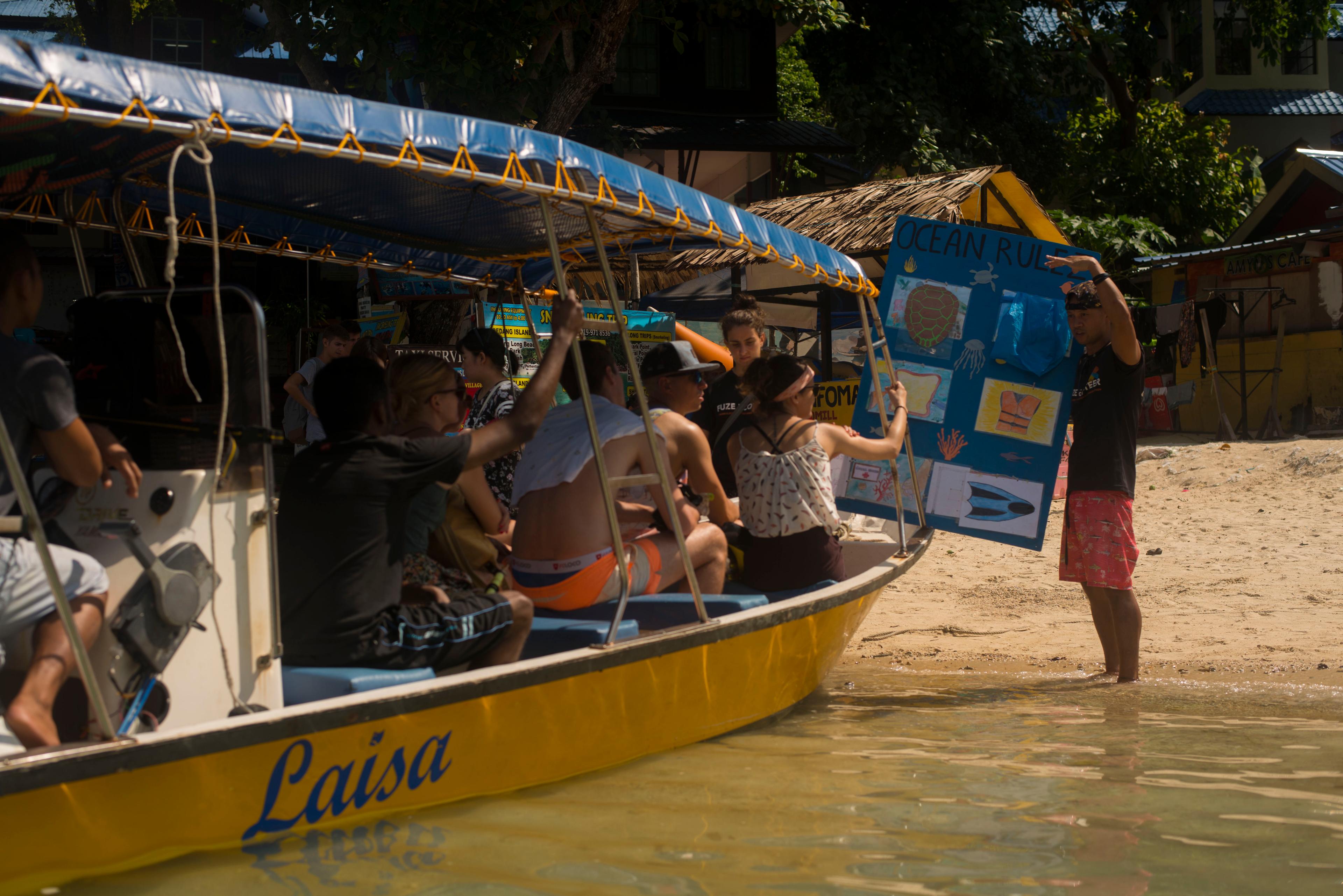

Quick answer
A strong conservation field trip connects clear learning outcomes with safe field activities, local expertise, reflection and evidence that students can take back to the classroom.
The best school conservation trips are more than a day outside. They give students a clear question to investigate, a safe way to participate and time to reflect on what the experience means.
Start with learning outcomes
Decide whether the trip is about biodiversity, climate, marine science, community relationships, leadership or a combination. Clear outcomes help the provider shape the activities and the follow-up work.
Build safety into the design
Ask about supervision, emergency procedures, weather plans, medical information, equipment and accessibility. Teachers should receive practical expectations before the group arrives.
Make the learning continue
Use pre-trip preparation, field notes and post-trip reflection. Students can turn observations into presentations, action plans, data stories or SDG-linked projects.
Questions people ask
What makes a conservation trip educational?
It has clear learning outcomes, field activities connected to those outcomes, local expertise, reflection and evidence students can use after the trip.
Can conservation field trips be adapted for different ages?
Yes. Activities, language, physical demand and supervision can be adjusted for the group, but the final plan should be agreed with the provider in advance.
How early should a school plan a field trip?
Start early enough to confirm dates, safeguarding, transport, risk planning, permissions, learning outcomes and weather contingencies.
Next step
Want to explore this responsibly?
Ask Fuze Ecoteer about the project, programme or learning route that fits your group.
Talk to the FE team