
Connecting conservationists to nature
A focused project page for the Perhentian Turtle Project: what it is, why it matters, who can join, and what ethical participation looks like.
What does a turtle conservation volunteer do?
The Perhentian Turtle Project is designed for people who want to understand conservation by taking part in the work around it. Your exact schedule depends on weather, season, project priorities and team capacity.
Join the briefing
Start with local context, safety expectations and the reason each activity matters.
Take part in field activities
Support practical work such as beach, reef, turtle or community activities when appropriate and supervised.
Reflect and share learning
Turn observations into better questions, clearer understanding and useful project notes.
Why choose the Perhentian Turtle Project?
The project combines social and environmental conservation: volunteers live among the local community, take part in daytime marine activities and support nocturnal nesting-beach work.
Conservation connected to the SDGs
The project gives volunteers a practical way to connect marine protection, environmental learning and community participation.
Life Below Water
Support better understanding and protection of marine ecosystems, turtles and coastal habitats.
Quality Education
Learn through field experience, data collection, awareness work and reflection with local teams.
Gender Equality
Recognise the role of women and local community partners in conservation, livelihoods and leadership.
Partnerships for the Goals
Work across volunteers, local communities, project teams, researchers and conservation authorities.
What will I be doing?
The itinerary changes with weather and project needs, but the original programme includes a clear mix of fieldwork, learning and community activity.
Start of the week
Arrival, briefing and orientation; water-confidence preparation; turtle-beach patrols.
Midweek
Awareness activity, turtle-beach patrols, kayaking and turtle photo-identification surveys.
End of the week
Data review, beach cleanup, community dinner, a small creative activity and a snorkel tour.
Kayak and turtle photo-ID surveys
Search seagrass areas for foraging turtles, photograph identifying features and record useful observations. This helps researchers understand individuals, hotspots and movement patterns.
Turtle beach patrols
Support non-flash photography, nesting data collection and beach protection alongside the project team and relevant authorities.
Awareness talks
Learn how the team speaks with visitors, dive shops and resorts about sea-turtle conservation and responsible behaviour.
Beach cleanup and sorting
Join the weekly cleanup, sort recyclable and non-recyclable litter, and help record the results for wider marine-litter reporting.
What are accommodation and food like?
Volunteers stay in a simple project house in the village. This is a community-based conservation experience, not a resort holiday.
Accommodation
The volunteer house has shared rooms and communal bathrooms. Bedding, mosquito nets, fans, safe drinking water and Wi-Fi are provided. Shops and laundry options are available in the village; there are no ATMs on the islands.
Food
The package includes daily meals: simple breakfasts, lunches at local restaurants and shared dinners prepared with the project team. A weekly Malay dinner with local community members is part of the experience.
Pricing is date-sensitive
The original page lists Malaysian and international weekly rates, inclusions and seasonal start dates. We should connect these to the live booking/pricing source before displaying exact prices here, so volunteers always see the current offer.
Ask for current costsA project built around people, place and practice
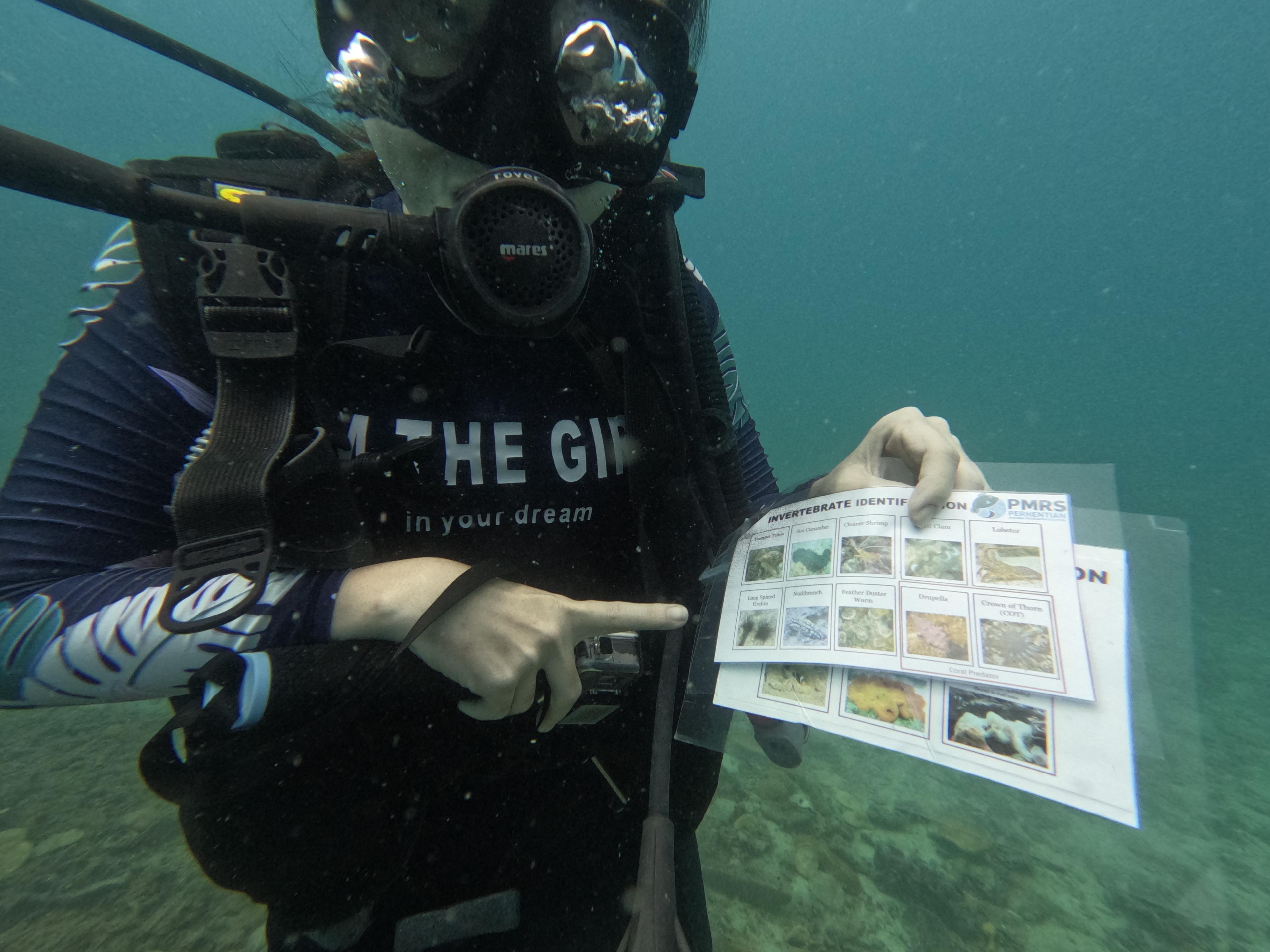
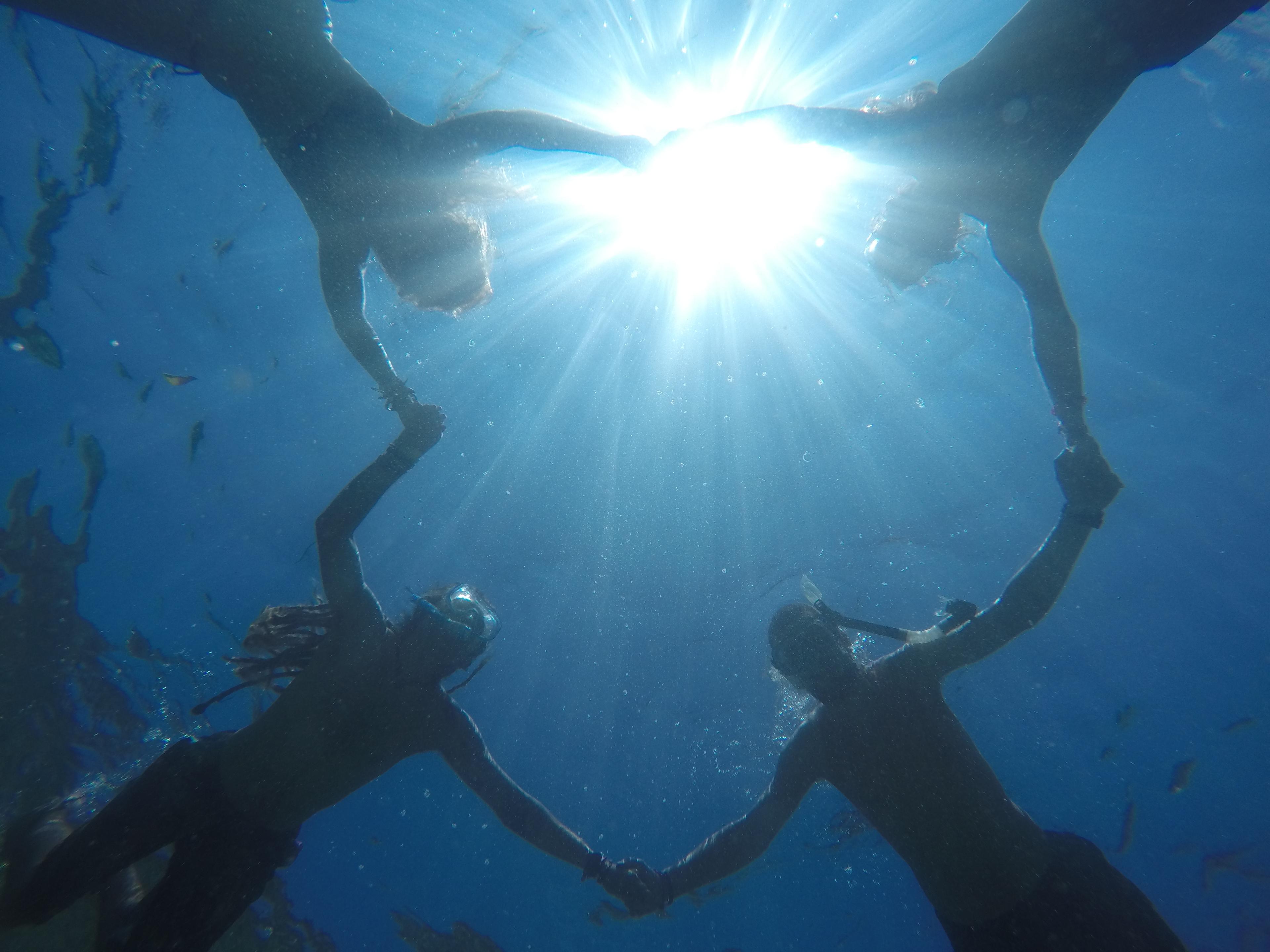
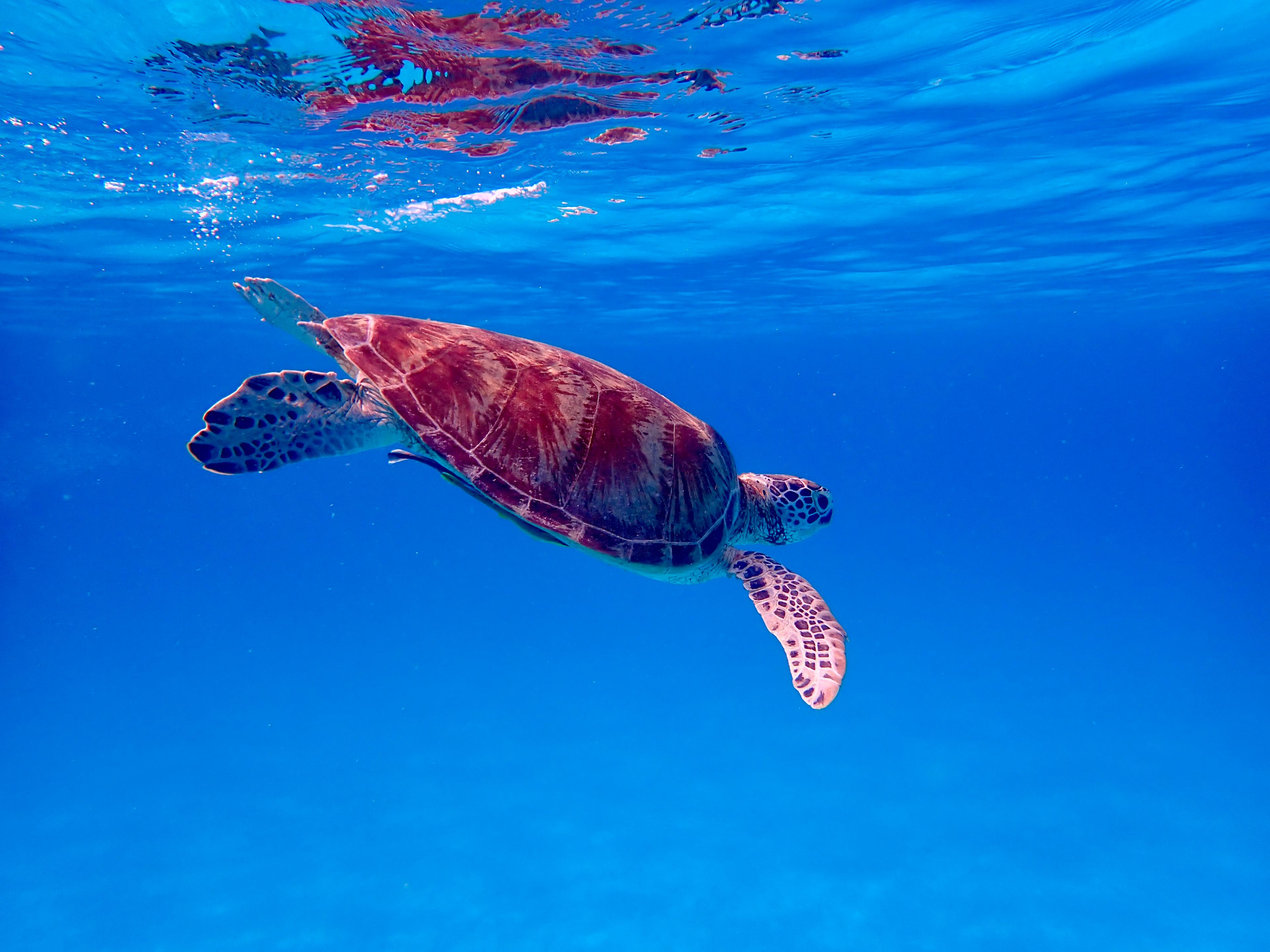
These images show the kind of field setting volunteers may encounter. They are here to help you picture the experience, not to promise a fixed itinerary.
Is this the right project for you?
A good volunteer experience starts with honest expectations. Read the practical details, then tell us about your dates, interests and experience.
Useful qualities
- Curiosity and willingness to learn
- Respect for local teams, communities and wildlife
- Flexibility when weather or project priorities change
- Comfort following safety instructions and recording observations
What we will clarify
- Available dates and current project needs
- Activity mix, supervision and physical requirements
- What is included, what to bring and how to prepare
- How your participation can support the wider project
Your time supports a longer conservation story
Fuze Ecoteer can connect volunteer activity with verified project evidence and monitoring records. We will only publish specific totals, names or outcomes when they have been checked and are appropriate to share.
Connecting conservationists to nature
A focused project page for the Perhentian Turtle Project: what it is, why it matters, who can join, and what ethical participation looks like.
Turtle focus
The main conservation story stays visible.
Ethics
Good volunteer practice stays front and centre.
Context
A clear bridge to education and community work.
What people need to know before they book
The site should be practical: simple expectations, local support and no inflated claims.
Project pricing
Placeholder until each route, season and inclusion set is mapped in the CMS or portal.
Placeholder until each route, season and inclusion set is mapped in the CMS or portal.
Keep people moving
Every page should hand off to the next most relevant page.
Questions people will actually ask
These are written to reduce friction before enquiry.
Q.Is this suitable for mixed-ability groups?
A.Yes. We shape activity level, supervision, and learning depth to the group. We also flag any required age or fitness notes upfront.
Q.Can you support SDG alignment and reporting?
A.Yes. Every programme can map to clear SDG themes, with evidence notes that later connect to the Fuze Ecoteer portal or CMS.
Q.Do you provide safety and local support?
A.Yes. The site keeps the trust details visible: local guides, practical expectations, and no inflated promises.